About Us
Sustainable Technology For Energy and Power Systems
National Institute of Technology Srinagar, India, is going to organize the 2nd International Conference on Sustainable Technology for Energy and Power Systems (STEPS 2026) with technical support from IEEE, USA. The first version of the conference (STEPS 2022) held at the National Institute of Technology (NIT) Srinagar in 2022 was an exceptional gathering of minds dedicated to advancing the field of power and energy systems. STEPS 2026 under the prestigious IEEE banner, will provide a dynamic platform for scholars, industry professionals, and students to engage in fruitful discussions, share cutting-edge research findings, and explore innovative solutions aimed at fostering sustainability in energy practices. With a diverse program featuring keynote speeches, technical paper presentations, panel discussions, and workshops, STEPS 2026 will cover a broad spectrum of topics ranging from renewable energy integration to cyber security in energy systems. Renowned experts from across the globe will offer invaluable insights into the challenges and opportunities facing the sustainable energy landscape, inspiring attendees to contribute towards a more resilient and eco-friendly future
ABOUT NIT Srinagar
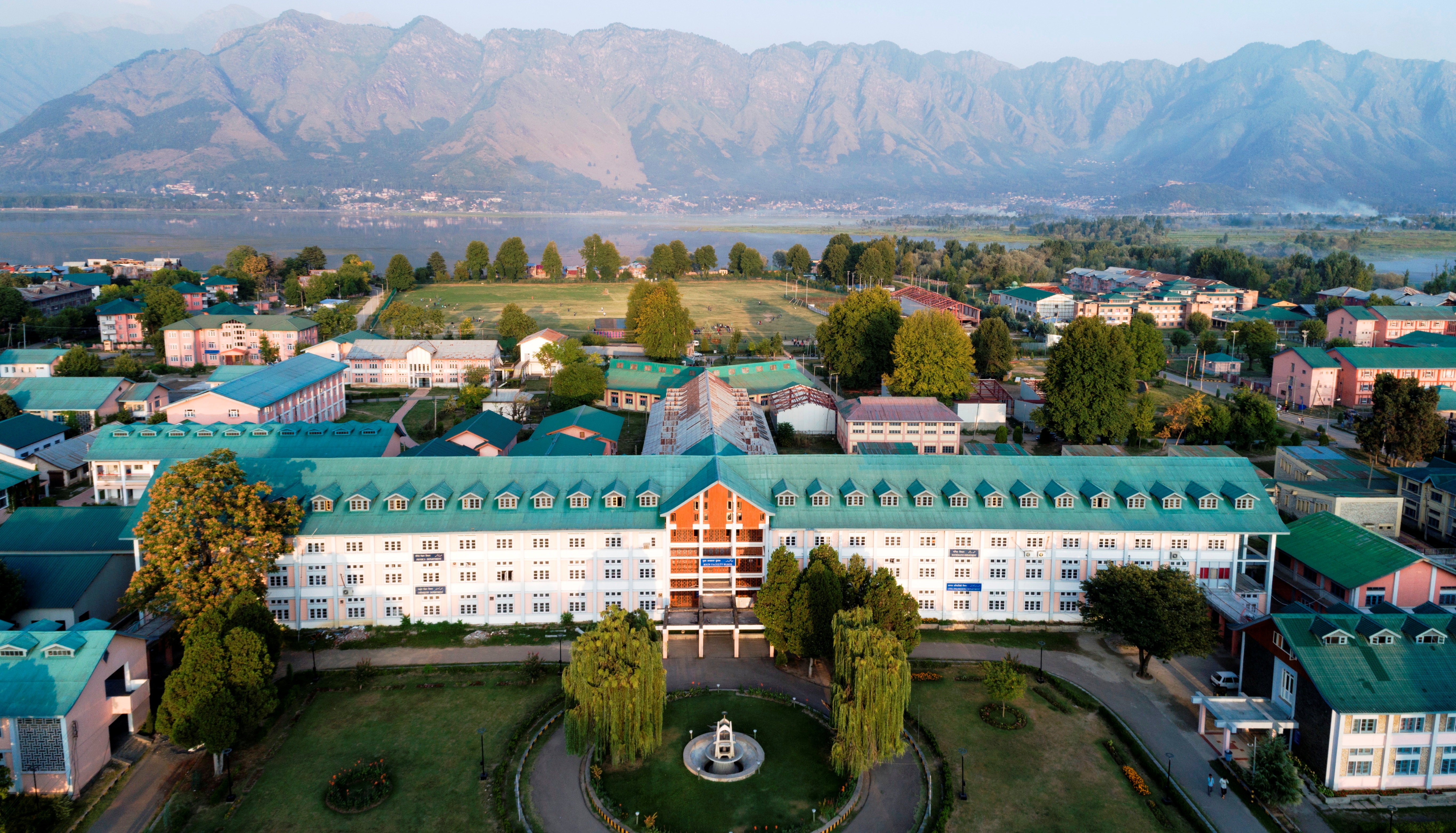 National Institute of Technology, Srinagar is one of the premier Educational Institutes in the Northern Regions of the country.
National Institute of Technology, Srinagar, is one of the premier Educational Institutes in the Northern Regions of the country. The institute was established in 1960 and has been one of the Eighteen Regional Engineering Colleges sponsored by the Govt. of India during the 2nd Plan. The Institute later acquired the status of a National Institute of Technology, which was deemed university status, and attained full autonomy in its academics. The Institute is situated near Dal Lake, with the Hazratbal Shrine on the other side of the campus. NIT Srinagar is a residential institute with accommodation facilities in hostels and staff quarters. The Institute offers undergraduate and postgraduate programs, as well as opportunities for Doctoral level research.
National Institute of Technology, Srinagar is one of the premier Educational Institutes in the Northern Regions of the country.
National Institute of Technology, Srinagar, is one of the premier Educational Institutes in the Northern Regions of the country. The institute was established in 1960 and has been one of the Eighteen Regional Engineering Colleges sponsored by the Govt. of India during the 2nd Plan. The Institute later acquired the status of a National Institute of Technology, which was deemed university status, and attained full autonomy in its academics. The Institute is situated near Dal Lake, with the Hazratbal Shrine on the other side of the campus. NIT Srinagar is a residential institute with accommodation facilities in hostels and staff quarters. The Institute offers undergraduate and postgraduate programs, as well as opportunities for Doctoral level research.
About IEEE Delhi Section :
The Delhi Section of IEEE, a key component of the Asia-Pacific Region, encompasses the entirety of northern India, covering states such as Rajasthan, Haryana, Punjab, Himachal Pradesh, the National Capital Territory of Delhi, and the Union Territories of Chandigarh, Jammu & Kashmir, and Ladakh. Established in 1976, the Section has grown from its inception as a Sub-section to a thriving hub with thousands of active members. Members represent diverse categories, including Associate Members, Fellows, Graduate Student Members, and more. The Section oversees two Subsections in Chandigarh and Rajasthan, in addition to several Technical Society/Council Chapters, covering a wide spectrum of disciplines within Electrical and Electronics Engineering. These include Circuits and Systems Society, Control Systems Society, and Computer Society, promoting collaboration and knowledge exchange among professionals. Furthermore, the Section supports several Affinity Groups, including Women in Engineering (WIE), Young Professional (YP), Consultants Network (CN), and Life Member (LM), fostering a sense of community and inclusivity. Additionally, it manages numerous Student Branches and branch chapters across educational institutions in the region, facilitating academic and professional growth among students. In pursuit of its mission, the IEEE Delhi Section, independently or in collaboration with affiliated Chapters and local institutions like IET (UK), IETE, and IE (India), leads various initiatives. These include organizing technical talks, seminars, conferences, and workshops to disseminate knowledge, foster networking opportunities for professionals, and support Student Branches through academic events such as paper contests and quizzes. Through these efforts, the IEEE Delhi Section plays a vital role in advancing the field of Electrical and Electronics Engineering and nurturing the next generation of professionals.
About IEEE :
The IEEE (Institute of Electrical and Electronics Engineers) is a global organization dedicated to fostering technological innovation and excellence for the betterment of humanity.
- Mission: To cultivate technological innovation and excellence to serve the greater good of humanity.
- Vision: To be indispensable to the worldwide technical community, universally acknowledged for the pivotal role of technology and technical professionals in enhancing global conditions.
- Trust: IEEE is committed to being a reliable and impartial source of technical knowledge and a platform for collaborative dialogue.
- Growth and Nurturing: IEEE encourages education as a fundamental pursuit for engineers, scientists, and technologists at all levels, ensuring a continuous pipeline of students to sustain the profession.
- Global Community Building: IEEE fosters dynamic and honest exchanges among diverse global communities of technical professionals, transcending disciplinary boundaries.
- Partnership: IEEE values and respects the contributions of its members and volunteers at every level, investing in their training and development to empower them to make meaningful contributions.
- Service to Humanity: IEEE harnesses the power of science, technology, and engineering to advance human welfare, promoting public awareness and appreciation of the engineering profession.
- Integrity in Action: IEEE promotes a culture of professional integrity and ethical conduct, upholding the exemplary behaviour and volunteerism of engineers and scientists.